
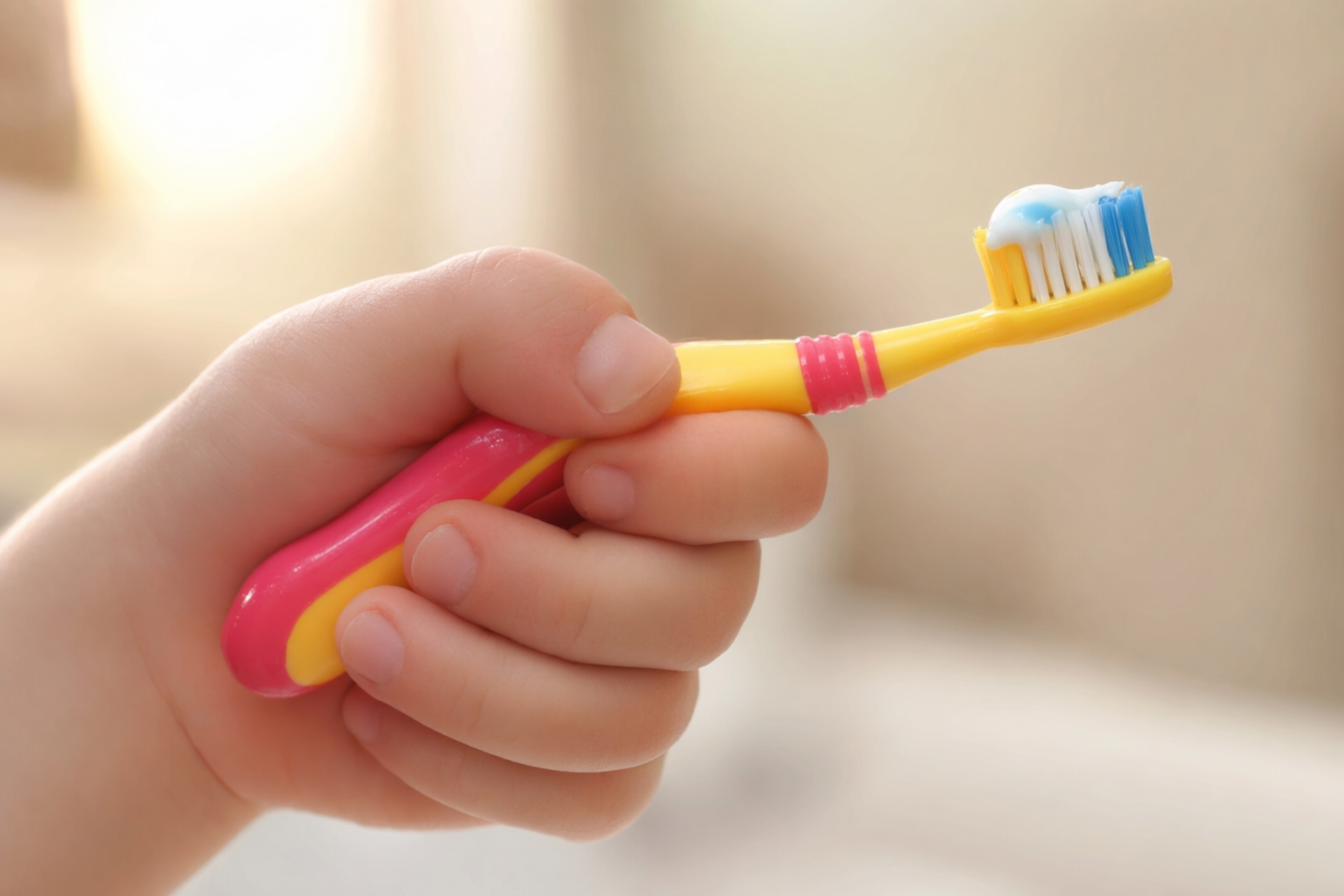
“They’re just baby teeth, they’ll fall out anyway.” It’s one of the most common things parents say, and one of the most misleading. Baby teeth do more than just hold space for a smile photo. They guide jaw development, help children speak clearly, support proper chewing and nutrition, and act as placeholders for the permanent teeth growing underneath. A cavity in a baby tooth left untreated can lead to pain, infection, and even affect how the adult tooth comes in later.
The good news is that childhood tooth decay is largely preventable. With the right habits started early, most cavities in children can be avoided altogether.
Many parents wait until something looks wrong, a dark spot, a complaint of pain, before booking a first dental visit. Dental professionals generally recommend starting much earlier: by your child’s first birthday, or within six months of their first tooth appearing, whichever comes first.
This early visit isn’t about treatment. It’s about:
Starting early also means your child grows up seeing the dentist as a normal, regular part of life rather than something to associate only with pain or emergencies. This is a big part of why having a dentist who specializes specifically in treating children, rather than a general practitioner, can make such a difference in how comfortable kids feel during visits.
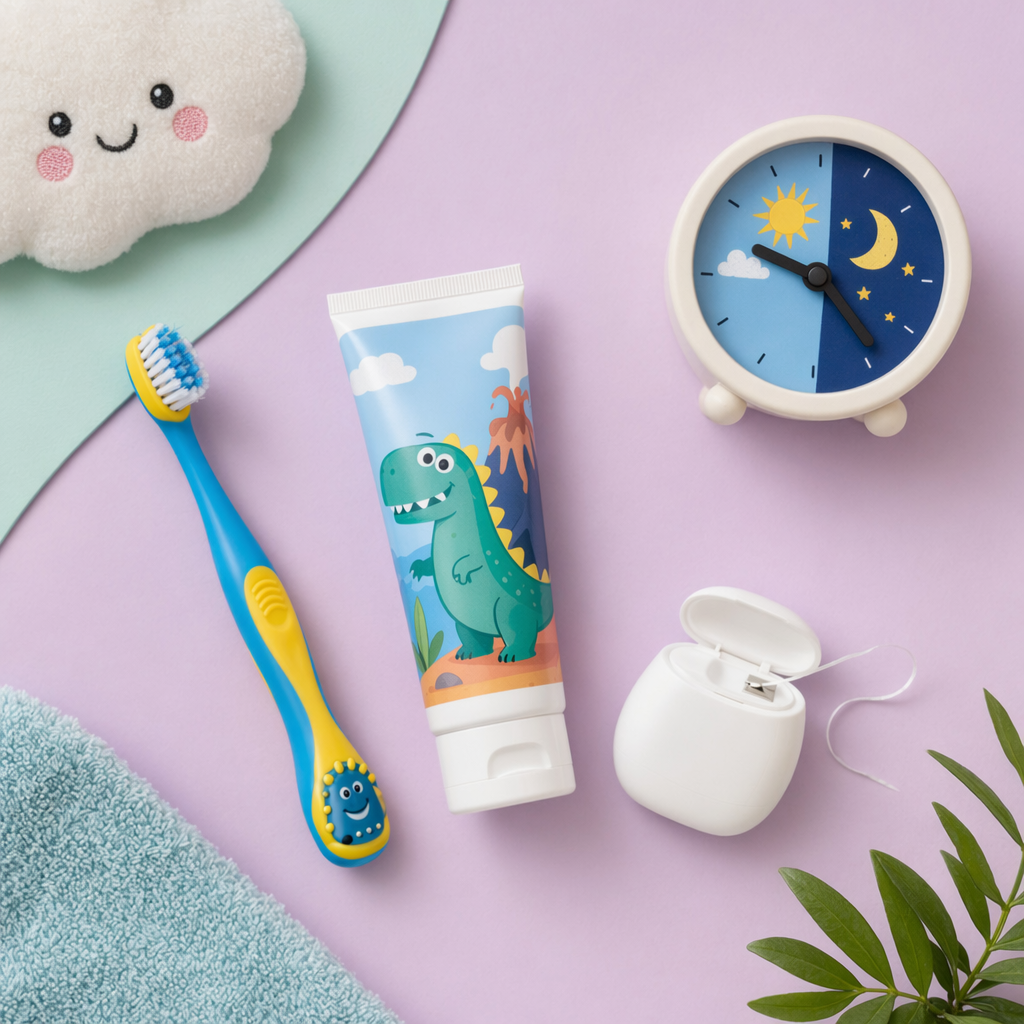
A few everyday habits are behind the majority of childhood cavities seen in Kenyan households:
Frequent sugary snacks and drinks. School tuck shops, sodas, sweets, and juice boxes expose teeth to sugar far more often throughout the day than parents often realize. It’s not just the amount of sugar that matters, but how frequently teeth are exposed to it, since each exposure feeds the bacteria that cause decay.
Bottle feeding at night. Letting a baby or toddler fall asleep with a bottle of milk or juice allows liquid to pool around the teeth for hours, a major cause of what’s sometimes called “baby bottle tooth decay,” which most often affects the front teeth.
Inconsistent or improper brushing. Young children often can’t brush effectively on their own until around age seven or eight, and skipped or rushed brushing, especially before bed, leaves plaque to build up overnight.
Skipping fluoride toothpaste appropriately. Some parents avoid fluoride toothpaste out of caution, but used in the correct amount for a child’s age, fluoride is one of the most effective tools against cavities.
Brushing
Flossing
Diet
Routine dental visits
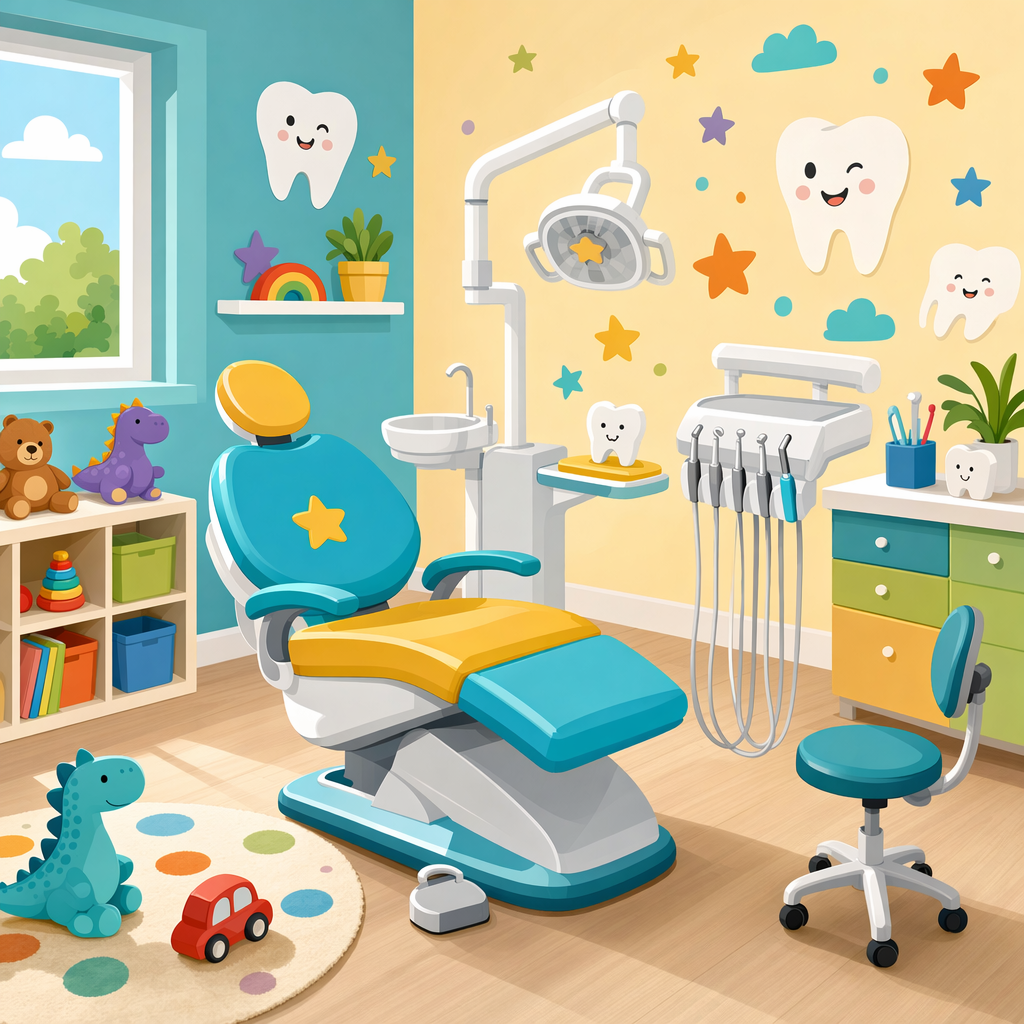
Children often pick up on a parent’s own anxiety about the dentist, so the way you talk about visits matters. A few things that help:
While regular check-ups catch most issues early, a few signs are worth a sooner visit rather than waiting for the next scheduled appointment:
The dental habits children develop early, brushing properly, eating mindfully, and feeling comfortable at the dentist, tend to carry into adulthood. Investing in those habits now isn’t just about preventing a cavity today; it’s about setting your child up for a lifetime of healthier teeth and fewer dental problems down the road.
At Tabasamu Dental Clinic in Upper Hill, Nairobi, our paediatric dentistry service is led by a dedicated children’s dental specialist, in a clinic environment designed to make young patients feel comfortable rather than anxious. Book your child’s first visit and start building those habits early.