
A bright, white smile has become one of the most searched-for beauty goals in Nairobi, and it’s easy to see why. Between our love for strong Kenyan tea and coffee, the rise of social media close-ups, and a steady stream of charcoal powders and whitening strips on supermarket shelves, more people than ever are asking the same question: what’s actually the safest way to whiten my teeth?
Before you reach for a jar of activated charcoal or a box of whitening strips, it helps to understand what causes tooth discoloration in the first place, and why professional teeth whitening still outperforms home remedies for most people.
Tooth discoloration generally falls into two categories.
Extrinsic stains sit on the outer surface of the tooth (the enamel) and are caused by what we eat, drink, and do every day. In Kenya, the most common culprits include:
Intrinsic stains develop inside the tooth itself, below the enamel surface. These are usually caused by:
This distinction matters because extrinsic stains usually respond well to whitening treatments, while intrinsic stains often need a different cosmetic approach altogether, such as veneers or bonding.
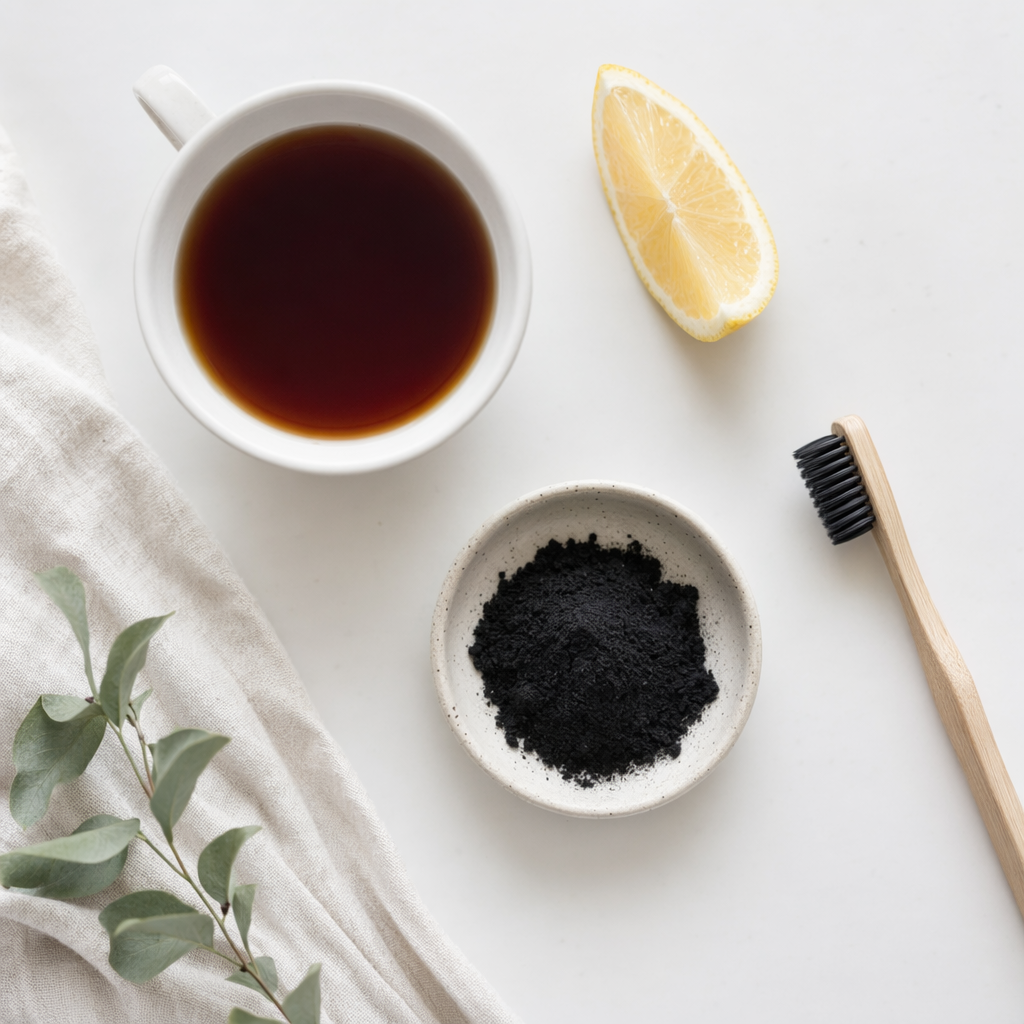
Activated charcoal, baking soda pastes, lemon juice rubs, and over-the-counter whitening strips have all gained popularity as affordable ways to brighten teeth at home. Some of these methods can offer mild, temporary improvement, but they come with real trade-offs that are worth understanding before you try them.
Activated charcoal is abrasive. While it can scrub away some surface staining, repeated use gradually wears down enamel, the protective outer layer of your tooth that doesn’t grow back once it’s gone. Thinner enamel can make teeth look more yellow over time (since the dentin underneath shows through more), and increases sensitivity to hot and cold.
Lemon juice and baking soda mixtures are acidic or abrasive, and using them regularly can erode enamel and irritate gum tissue.
Whitening strips and over-the-counter kits are generally safer than charcoal scrubs because they’re formulated with controlled, lower concentrations of whitening agents. However, they’re a one-size-fits-all product. They don’t account for existing fillings, crowns, sensitive teeth, or gum recession, and the gel can sometimes seep onto gum tissue and cause irritation if not applied carefully.
The bottom line: DIY methods aren’t necessarily “dangerous” in small, occasional doses, but they’re unpredictable, slower to show results, and carry a real risk of long-term enamel damage if used aggressively or over an extended period.
Professional whitening, done at a dental clinic, addresses the main limitations of DIY methods in a few key ways.
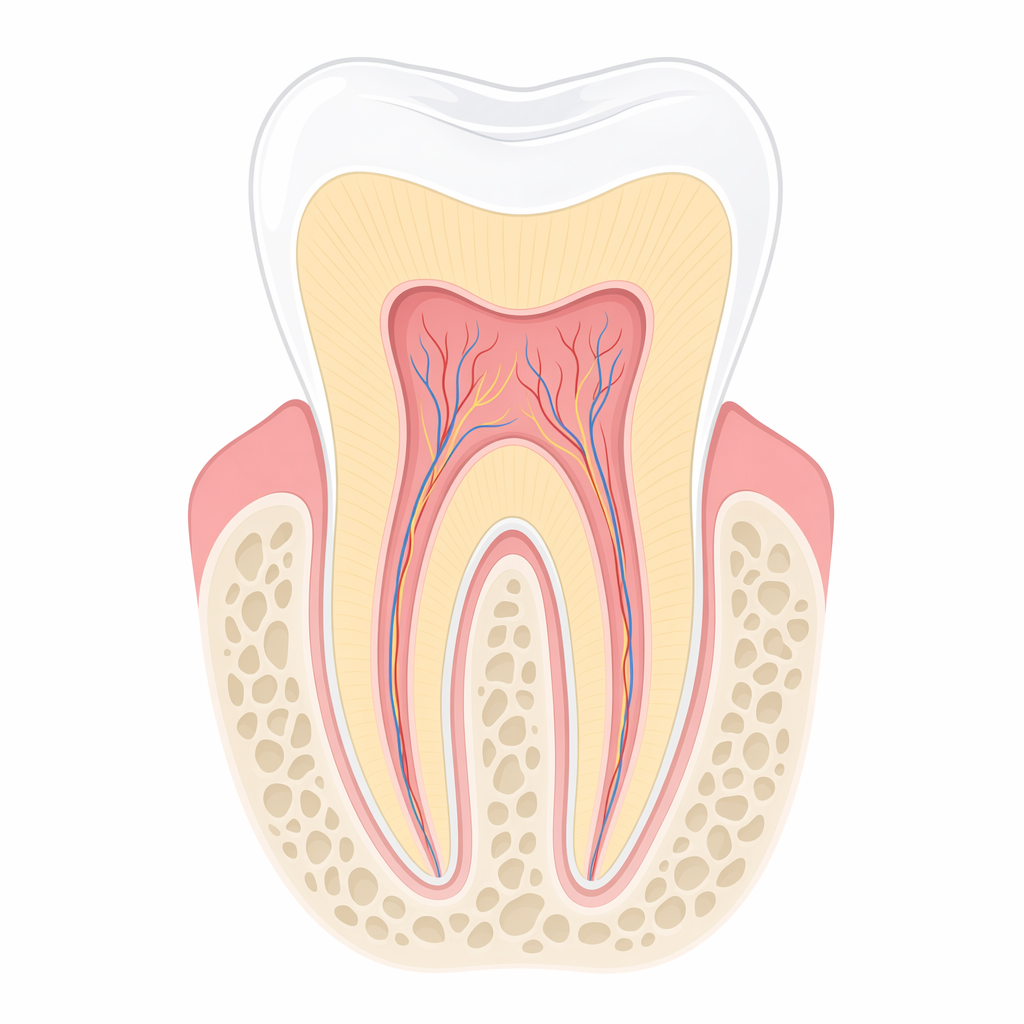
A proper assessment first. Before any whitening treatment begins, a dentist checks for cavities, gum disease, exposed roots, or existing dental work. Whitening agents don’t work on fillings, crowns, or veneers, so a dentist can tell you upfront whether whitening alone will give you an even result, or whether other treatments should be considered first.
Controlled, protected application. In-clinic whitening uses a higher concentration of whitening gel than anything available over the counter, but it’s applied under supervision, with the gums and soft tissue shielded from contact. This is the main reason professional treatment can achieve faster, more dramatic results without the guesswork of a home kit.
Take-home options, professionally fitted. Many clinics also offer custom-fitted whitening trays for use at home, designed specifically for your teeth rather than a generic mouth shape. This combines the convenience of at-home treatment with the safety of a dentist-formulated, properly fitted approach.
Built-in sensitivity management. Tooth sensitivity is one of the most common side effects of whitening, whether DIY or professional. A dentist can recommend desensitizing products or adjust treatment strength to keep you comfortable throughout the process.
If your teeth have intrinsic discoloration, old fillings on front teeth, or are simply not responding to whitening, your dentist may suggest alternatives such as bonding or veneers, which can mask deeper staining or rebuild the visible surface of a tooth entirely. This is also worth considering if you’ve already tried multiple DIY methods without seeing real change. At that point, it’s less about needing a stronger whitener and more about needing a different solution.
Whichever method you choose, results aren’t permanent. A few habits go a long way in maintaining a brighter smile:
Whitening your teeth is a personal choice, and there’s nothing wrong with wanting a brighter smile. The safest path is simply an informed one: understand what’s causing your discoloration, get checked for any underlying dental issues first, and choose a whitening method that fits your specific teeth rather than a generic, internet-trending one.
At Tabasamu Dental Clinic in Upper Hill, Nairobi, our aesthetic dentistry team can assess your teeth and recommend a whitening approach, or alternative cosmetic treatment, that’s suited to you. Book a consultation to find out what will actually work for your smile.